Dear Readers, Executives and Game-Changers, welcome to The Intangible Navigator Newsletter!
In a world where the unseen often holds the greatest value, this newsletter serves as your compass to navigate the complex and dynamic realm of intangible assets. Our purpose is clear: to shed light on the essential role intangible assets play in the knowledge economy and to explore the multidisciplinary approaches needed to unlock their full potential.
This newsletter is directly related to my new venture - HMS DELSOL!
HMS DELSOL is a visionary company at the intersection of intellectual property, neuroscience, psychology, and human-centric management. Our mission is to revolutionize the management of intangible assets by focusing on the human elements that drive innovation and value. Through this newsletter, we share our insights, strategies, and activities within HMS DELSOL to empower organizations to navigate the complexities of the knowledge economy.
Why this new venture? Because intangible assets - from intellectual property to human creativity and data - are no longer supplementary; they are essential. However, their intangible nature demands a fresh perspective, one that combines insights from neuroscience, psychology, Intellectual Property law, and data management - a lot of topics that I love and wherein I have quite an expertise! By exploring these intersections, we aim to equip you with the tools and knowledge to harness the power of these assets and lead with innovation and resilience.
Join us as we chart a course through this transformative landscape, empowering you to transform creativity into capital and ideas into enduring success.
Welcome aboard!
Insights from Intangible Asset Market Value Studies
To fully understand the critical role intangible assets play in our modern economy, it is worth reflecting on the findings of several studies regarding the value of the Intangible Asset market. These comprehensive analyses reveal that intangible assets now account for over 80% of the market value of the S&P 500 companies, a staggering shift from the 1970s when tangible assets dominated the corporate landscape. These studies highlights the growing importance of innovation-driven assets such as patents, trade-secrets, R&D, and brand value. It also underscores the significant regional variations in the contribution of intangible assets to market capitalization, with Western economies leading the charge while Asian markets show emerging potential.
These findings not only emphasize the transformative power of intangible assets but also reinforce the need for businesses to adopt sophisticated and multidisciplinary strategies to manage and leverage these assets effectively.
The Core of Intangible Value: The Human Mind and Interactions
At the heart of every innovation is a thought, a spark of creativity born from the interaction of people and ideas. Neuroscience and psychology reveal the complexities of how these sparks ignite - how collaboration, problem-solving, and human ingenuity create value that cannot be measured solely in monetary terms. Intangible assets - while legally recognized and economically quantified - are fundamentally human constructs. They originate in minds, grow through human connections, and thrive in ecosystems that nurture creativity and trust.
These assets extend beyond individual brilliance to collective intelligence. Ideas take shape and evolve when diverse perspectives meet, when teams collaborate effectively, and when leaders foster environments where individuals feel empowered to innovate. This human-centric genesis of intangible assets underscores the need for organizations to prioritize the well-being, development, and collaboration of their teams.
A Multidisciplinary Approach to Unlocking Value
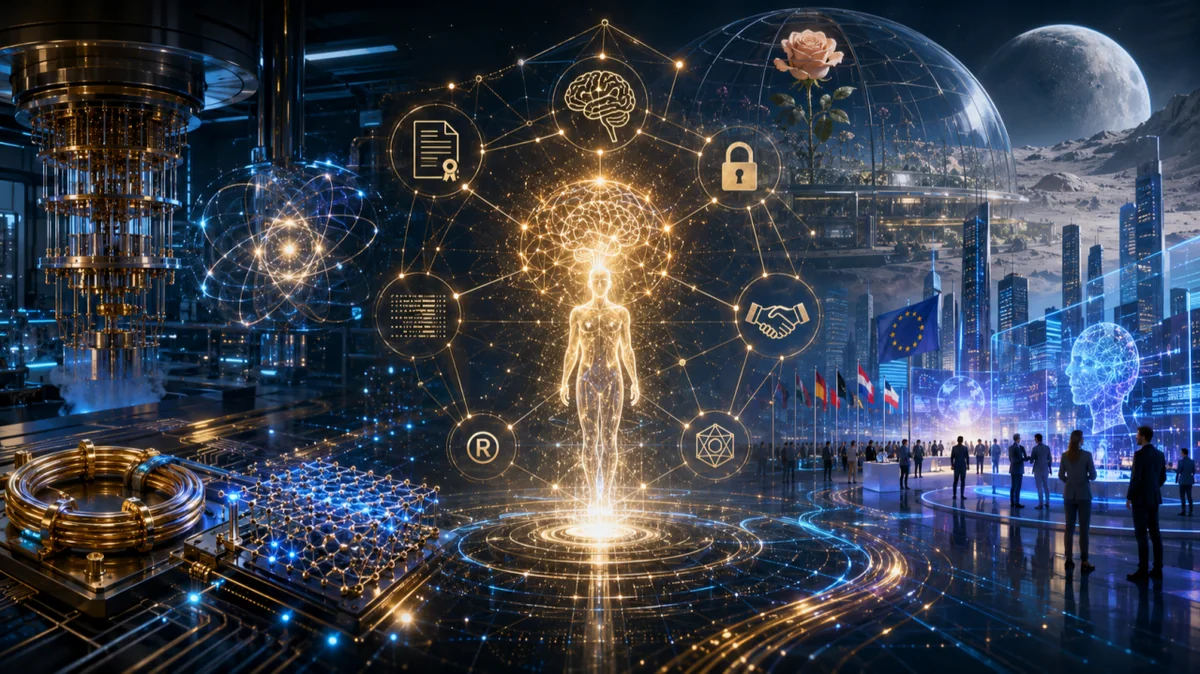
Traditional frameworks for managing intangible assets - focused primarily on legal protection and financial metrics - fail to capture their full potential. Intangible assets require a holistic approach, one that recognizes the interplay between intellectual property law, data management, neuroscience, and psychology. Each discipline offers a piece of the puzzle, but their integration is essential to fully harness these assets.
Neuroscience provides insights into how ideas are formed, how creativity flourishes, and how stress or burnout can inhibit innovation. Understanding the brain’s mechanisms allows organizations to cultivate conditions where minds can thrive.
Psychology helps decode the human factors behind collaboration, motivation, and trust. By understanding behavioral dynamics, organizations can foster environments that enhance teamwork and the free flow of ideas.
IP Law offers the tools to protect and strategically leverage the outcomes of human creativity, ensuring that innovations are safeguarded and aligned with business objectives.
Data Expertise ensures the effective management of information flows, the protection of trade secrets, and the extraction of actionable insights to drive strategic decisions.
When these disciplines converge, organizations gain a 360-degree perspective on their intangible assets, enabling them to not only protect but also amplify the value of these resources.
Introducing the Chief Intangible Asset Officer (CIAO)
The rapid growth of intangible assets has created a pressing need for a new kind of leadership. Enter the Chief Intangible Asset Officer (CIAO) - a visionary role designed to bridge the gaps between neuroscience, psychology, IP law, and data expertise. The CIAO acts as the conductor of an orchestra, harmonizing diverse elements to create a symphony of innovation and value creation.
The CIAO’s responsibilities include:
Cultivating Innovation: Developing environments where creativity thrives, informed by neuroscience and psychology.
Strategic IP Management: Aligning intellectual property strategies with business goals to maximize competitive advantage.
Data Stewardship: Managing the flow and protection of critical information assets.
Leadership Development: Empowering teams to harness their full potential, fostering collaboration and resilience.
Cross-Disciplinary Integration: Breaking down silos to create cohesive strategies that leverage insights from multiple fields.
By focusing on the human origins of intangible assets and their strategic management, the CIAO ensures that organizations remain at the forefront of innovation in the knowledge economy.
Charting the Future of Intangible Asset Management and Strategy
The rise of intangible assets calls for a fundamental rethinking of management and strategy. Organizations must move beyond viewing these assets as static. They must embrace the dynamic, human-centric nature of intangible value creation.
The introduction of the Chief Intangible Asset Officer is not merely a new job title; it’s a new way of thinking about leadership in the knowledge economy. By integrating neuroscience, psychology, IP law, and data expertise, the CIAO empowers organizations to:
Navigate Complexity: Thrive in a fast-changing, innovation-driven world.
Foster Resilience: Build systems and cultures that adapt and grow in the face of challenges.
Unlock Human Potential: Harness the creativity and collaboration of their greatest asset—their people.
The Intangible Navigator: Guiding You Forward
Through The Intangible Navigator, we aim to illuminate this new frontier. Each edition will explore the strategies, tools, and insights needed to lead in the era of intangible assets. Together, we’ll uncover how to transform creativity into capital, collaboration into competitive advantage, and ideas into enduring success.
The journey begins here. Welcome aboard!